

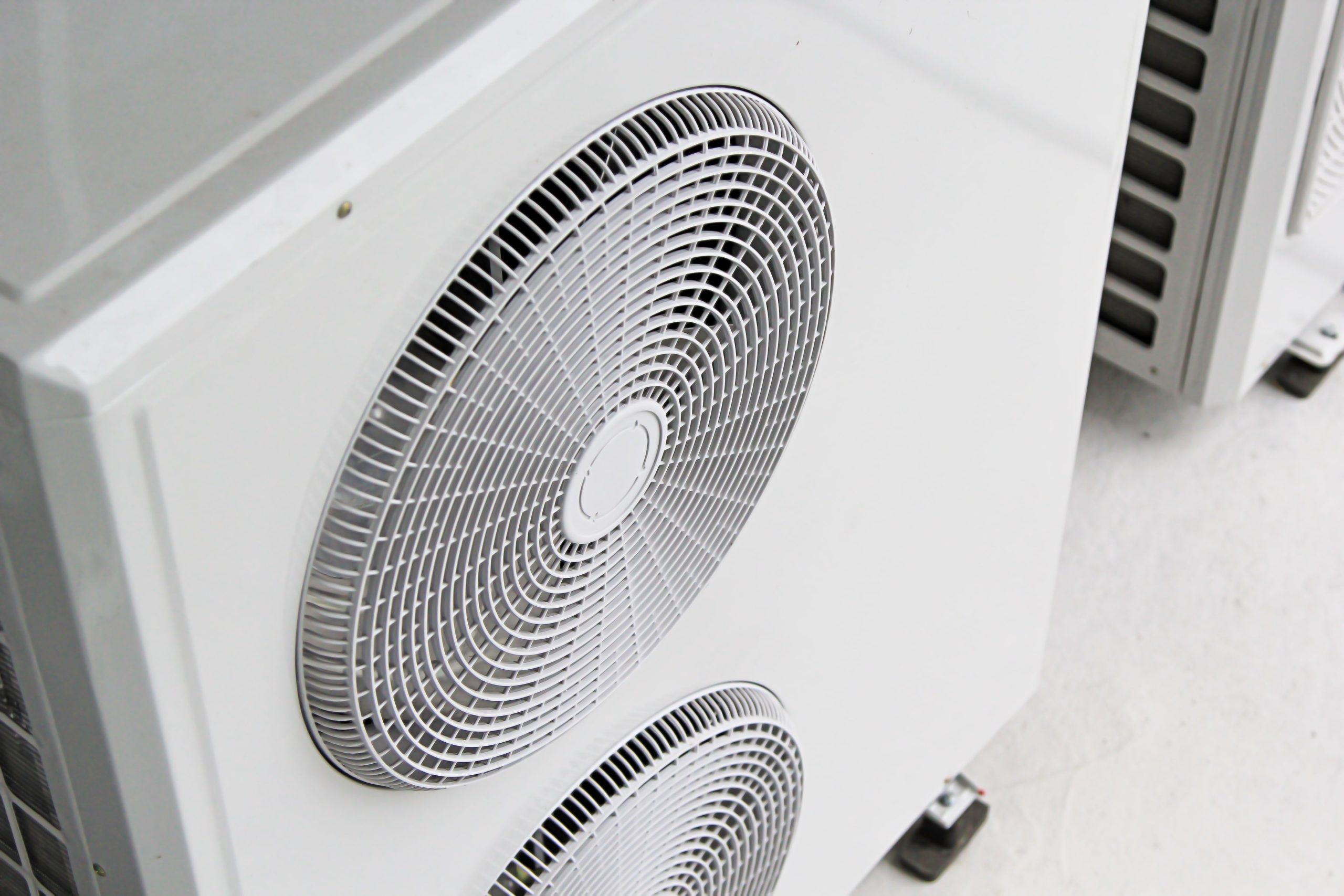
Heat pumps are on their way to becoming the norm in the UK
Investing in a heat pump can significantly reduce the cost of energy for your household or business. However, they are an expensive purchase and so choosing the right one for your particular needs involves an important decision-making process. Here are the main factors you should consider.
Choose the right type
It is important to understand which type of heat pump will offer you the best solution. Of the three main types, the most common are air-source heat pumps. These work by absorbing air from either inside or outside the building and circulating it through a refrigerant.
Geothermal heat pumps operate by circulating water through a system of pipes running through your home and the ground underneath it. Because the ground will maintain a stable temperature throughout the year, the water that has passed through it will heat your house in winter and cool it in summer.
Split-ductless heat pumps are best suited to individual rooms or small homes without existing ductwork. They are similar to a window unit air conditioner, with an outdoor condenser that connects to an indoor unit.
Consider your climate
In general, heat pumps work best in moderate climates. In more extreme situations, especially colder regions, geothermal heat pumps tend to be the best solution – although some newer air-source heat pumps may also perform well in freezing weather. Be aware that you may need an additional source of heat if your minimum winter temperatures regularly drop below freezing.
Also, heat pumps generally need to work harder in humid climates to keep moisture out of your home. Since they don’t rely on airflow, geothermalheat pumps are better suited to deal with high humidity than air-source systems.
If you’re checking heat pump reviews, be sure to read reviews from users living in similar climates to your own.

Energy efficiency ratings
The energy efficiency of a heat pump is typically measured in two ways: the HSPF (Heating Seasonal Performance Factor) for heating, and the SEER (Seasonal Energy Efficiency Rating) for cooling. The higher the numbers, the more efficient the unit.
When evaluating these ratings, remember to consider your climate again. For instance, if you live in a warmer climate you’ll need a model with a higher SEER to keep cool in summer.
Choose the right size
Getting the right size of heat pump is crucial. If a pump is too small it won’t produce enough warm or cool air to fill your home; too big and it will waste energy.
At this stage it may be best to work with a professional who can assess your home and determine the correct size heat pump. They will take into account your home’s size, insulation (see below), number of windows, wall thickness and so on, together with your local climate.
Insulation
A poorly insulated building loses heat, which places greater demands on its heating system. This will have a negative impact on both installation and running costs. In order to obtain the maximum benefit from your investment in a heat pump, make sure that your home is well insulated.

Read reviews
Once you’ve narrowed your decision down to just a few heat pump options, study online consumer reviews. Consider overall scores / star ratings, and also scan through reviews to find lengthy, descriptive reviews from people who may have the same needs as you. But always bear in mind that if someone has a bad experience, it might be because they chose the wrong heat pump for their home.
Since new innovations and features are constantly being introduced, make sure to hunt out the most recent reviews. Look out reviews that mention features such as variable-speed motors, desuperheaters, scroll compressors and back-up burners, all of which will help your heat pump run more quietly and with less energy.


Leave a Reply