
When it comes to metal manufacturing, metal finishing is that crucial last step that transforms metal components into polished, durable, and functional products. Whether you’re looking for enhanced durability, improved aesthetics, or specific performance characteristics, choosing the right metal finish can make all the difference.
With over 35 years of metal fabrication experience, we’re well-versed in the metal finishing process. So, in this comprehensive guide, we’ll explore what metal finishing is, its benefits, the various types of finishes for metal, and how it’s applied across industries.
What is Metal Finishing?
Metal finishing refers to the process of altering the surface of a metal product to achieve desired properties such as corrosion resistance, enhanced durability, conductivity, or aesthetic appeal. It’s a vital step in manufacturing that ensures the end product meets both functional and visual requirements.
Industries like construction, automotive, electronics, and consumer goods rely heavily on metal finishes to create long-lasting, high-performing, and visually appealing metal parts and components.
Types of Finishes for Metal
There are many methods for finishing metal, each offering unique benefits. Here’s a breakdown of the most popular types of metal finishes and their advantages:
1. Coatings
-
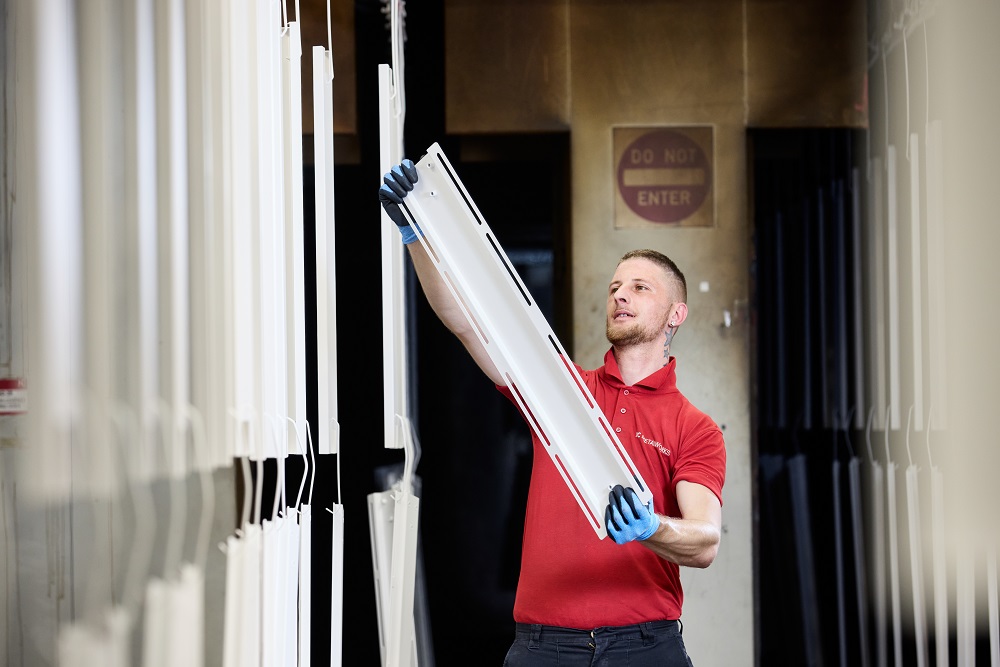
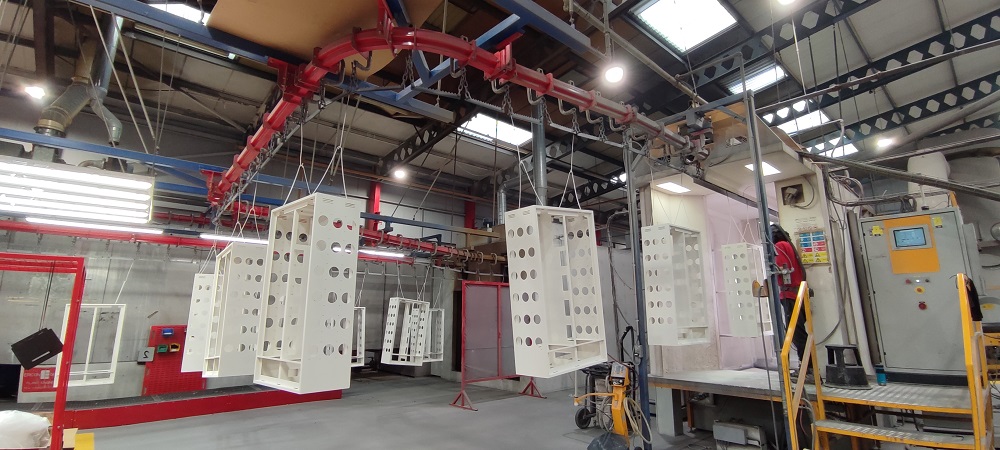
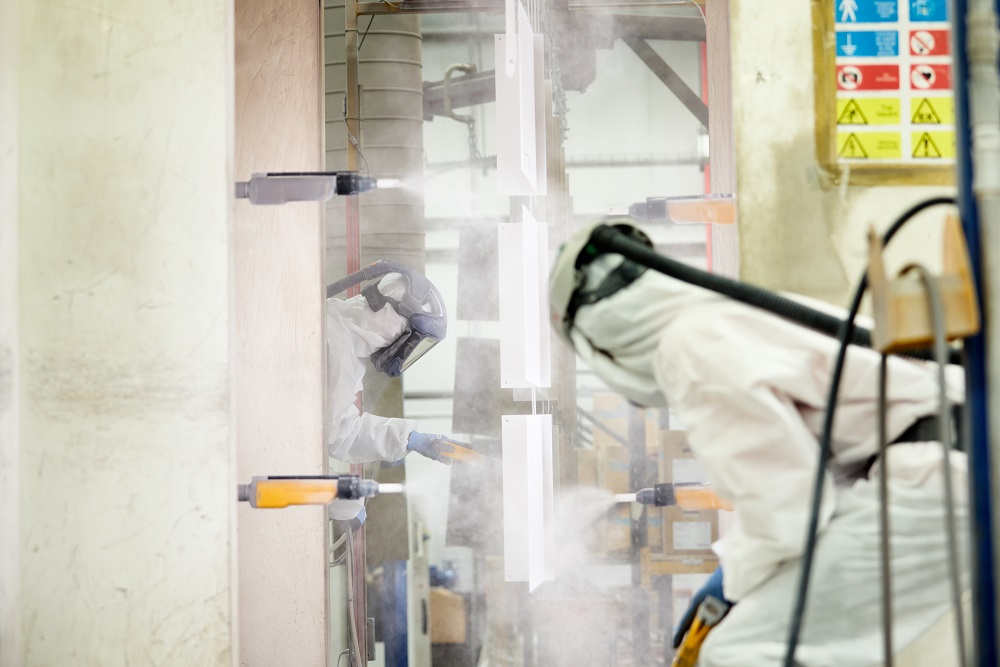
- Powder Coating: A dry powder is electrostatically applied and baked on, creating a durable and environmentally friendly finish. The powder coating process can be done in any colour, and the range of finishes offered by JC Metalworks includes gloss, matte, textured, rippled, semi-gloss, etc.
- Ceramic Coating: Ideal for high-temperature applications, this metal surface coating provides superior abrasion and heat resistance. Most ceramic coatings are electrically nonconductive, making them excellent insulators.
2. Mechanical Finishes
Mechanical finishes are achieved through physical processes that alter the surface of a metal to improve its appearance, smoothness, or texture. These methods are commonly used in metal fabrication for both functional and aesthetic purposes.
-
- Polishing: This process uses abrasive materials to smooth the metal surface, removing scratches, pits, and other imperfections. The result is a shiny, mirror-like finish that enhances the visual appeal of metals like stainless steel or aluminium. Polished finishes are often used in applications where aesthetics are first prize, such as in kitchen appliances, automotive parts, and decorative fixtures.
- Buffing: Buffing involves using a soft cloth wheel and fine abrasive compounds to create an ultra-smooth, high-gloss finish. Unlike polishing, buffing focuses on producing a more refined surface, making it ideal for decorative items, jewellery, and high-end hardware.
- Grinding: Grinding is a more aggressive process that removes excess material, burrs, or rough edges from the metal. It’s essential in preparing metals for further processing or assembly. Depending on the tools and abrasives used, grinding can create surfaces ranging from coarse to smooth. It’s frequently applied in industrial equipment, heavy machinery, and structural steel fabrication to ensure clean, even surfaces for safe and efficient use.
3. Chemical Finishes
Chemical finishes involve treating the metal surface with chemicals to achieve desired properties such as corrosion resistance, enhanced durability, or specific aesthetic effects. These finishes are widely used across industries to protect and improve metal products.
-
- Anodising: Anodising is primarily used on aluminium to enhance its durability and appearance. This metal finishing process involves an electrochemical reaction that forms a layer of aluminium oxide on the surface, which protects against corrosion and provides a base for vibrant colouring. The anodised aluminium is lightweight, durable, and attractive, making it popular for architectural applications, consumer electronics, and cookware.
- Electroplating: In this metal finishing process, a thin layer of metal—such as chrome, nickel, or gold—is deposited onto a metal surface through electrolysis. Electroplating enhances the appearance of the base metal, improves its resistance to corrosion, and increases wear resistance. Commonly used in automotive, aerospace, and decorative industries, electroplated finishes can provide a sleek, shiny look or functional reinforcement.
- Passivation: Passivation is a chemical process that removes free iron and other contaminants from the surface of stainless steel, leaving behind a protective oxide layer. This enhances the metal’s natural resistance to rust and corrosion. Passivated stainless steel is essential for medical devices, food processing equipment, and marine applications, where cleanliness and durability are the most important characteristics.
4. Steel Finishes
Steel’s adaptability makes it an ideal candidate for a variety of finishes, each tailored to meet specific performance and aesthetic requirements.
-
- Brushed Steel: Known for its matte texture and subtle linear pattern, brushed steel is a modern favourite in architectural and interior design. The brushing process removes imperfections and creates a clean, uniform appearance. This finish is highly sought after in kitchen appliances, furniture, and decorative trims for its contemporary look and fingerprint-resistant surface.
- Satin Finish: A satin finish offers a smooth, low-sheen surface that strikes a balance between polished and brushed finishes. It’s both practical and elegant, making it suitable for applications like lighting fixtures, balustrades, and elevator interiors. Satin-finished steel is valued for its ability to hide minor scratches and maintain its appearance with minimal upkeep.
- Galvanised Steel: Galvanisation involves coating steel with a layer of zinc, which provides excellent protection against rust and corrosion. This process makes galvanised steel the go-to material for outdoor and industrial applications, such as fencing, roofing, and utility poles. The molten zinc coating ensures long-term durability even in harsh environments, making it an economical and reliable choice for structural projects.
How to Choose the Right Metal Finish
So, you want your product to perform effectively, last longer, and meet aesthetic expectations? Then, choosing between types of metal finishing is the trick. The right choice can enhance the material’s durability, functionality, and appearance, but it depends on a variety of factors. Here’s a practical guide to help you make the best decision:
1. Consider the Environment
The conditions your product will face play a significant role in determining the most suitable finish. Let’s explore further:
Outdoor Use: If the product will be exposed to moisture, harsh weather, or UV rays, finishes like galvanisation or powder coating are ideal for corrosion resistance and durability.
Chemical Exposure: Products used in chemical plants or laboratories may require passivation or specialised coatings to resist corrosion and chemical damage.
High Temperatures: For products exposed to extreme heat, finishes that maintain integrity under thermal stress, like anodising for aluminium, are critical.
2. Evaluate Functionality
The finish should align with the functional requirements of the product. Ask yourself:
Does the product need enhanced durability? Opt for finishes like electroplating or hard anodising to improve wear resistance.
Is electrical conductivity a factor? Electroplating with metals like gold, silver, or copper can enhance the conductivity for electronics.
Does insulation matter? Non-conductive finishes, such as specific powder coatings, can provide the necessary insulation for electrical components.
3. Match the Finish to the Material
Different types of metal have specific finishes that work best for their properties:
Aluminium: This lightweight, corrosion-resistant metal benefits from anodising to enhance durability and appearance.
Steel: For structural strength and longevity, consider galvanising to protect against rust or a satin finish for an elegant appearance.
Stainless Steel: Use passivation to improve corrosion resistance, or opt for polishing for a sleek, reflective look.
Brass and Copper: These softer metals benefit from lacquering or clear coating to maintain their natural lustre while protecting against tarnish.
4. Factor in Aesthetic Requirements
The finish also affects the product’s appearance, making it important to balance form and function.
Do you need a high-end look? Polished or buffed finishes create a luxurious, reflective surface, ideal for decorative or consumer-facing products.
Are fingerprints or smudges a concern? Textured finishes like brushed steel or matte coatings can hide minor imperfections and require less maintenance.
5. Budget Considerations
While quality and performance are paramount, costs can influence your decision. More complex finishes, such as electroplating with rare metals, may increase production costs.
On the other hand, protective finishes like powder coating or galvanising offer excellent durability at a more affordable price point, reducing long-term maintenance costs.
Practical Steps to Choose the Right Finish
-
- Understand Your Needs: Identify the purpose of the product, the environment it will operate in, and any performance requirements.
- Consult Experts: Metal finishing professionals can guide you on the best options based on your specific project.
- Test Prototypes: Where possible, test different finishes on small samples to evaluate durability, functionality, and appearance.
- Balance Performance and Aesthetics: Choose a finish that meets both your functional requirements and visual expectations.
FAQs About Metal Finishes
What is the most durable metal finish?
Powder coating is widely regarded as one of the most durable finishes due to its thick, protective layer.
Which steel finishes are best for outdoor use?
Galvanized steel is an excellent choice for its superior corrosion resistance.
How does metal finishing impact costs?
While some finishes may increase upfront costs, they provide long-term savings by reducing maintenance and replacement needs.
Why Choose JC Metalworks for Metal Finishing?
At JC Metalworks, we specialise in tailoring metal finishing solutions to your exact needs. Whether you’re prioritising durability, functionality, or aesthetics, our expert team will guide you through the process to ensure your product performs to the highest standards. With state-of-the-art equipment and a commitment to quality, we deliver finishes that excel in even the most demanding environments.
Contact us today at 01509 233280 to discuss your project and find the perfect metal finishing solution.